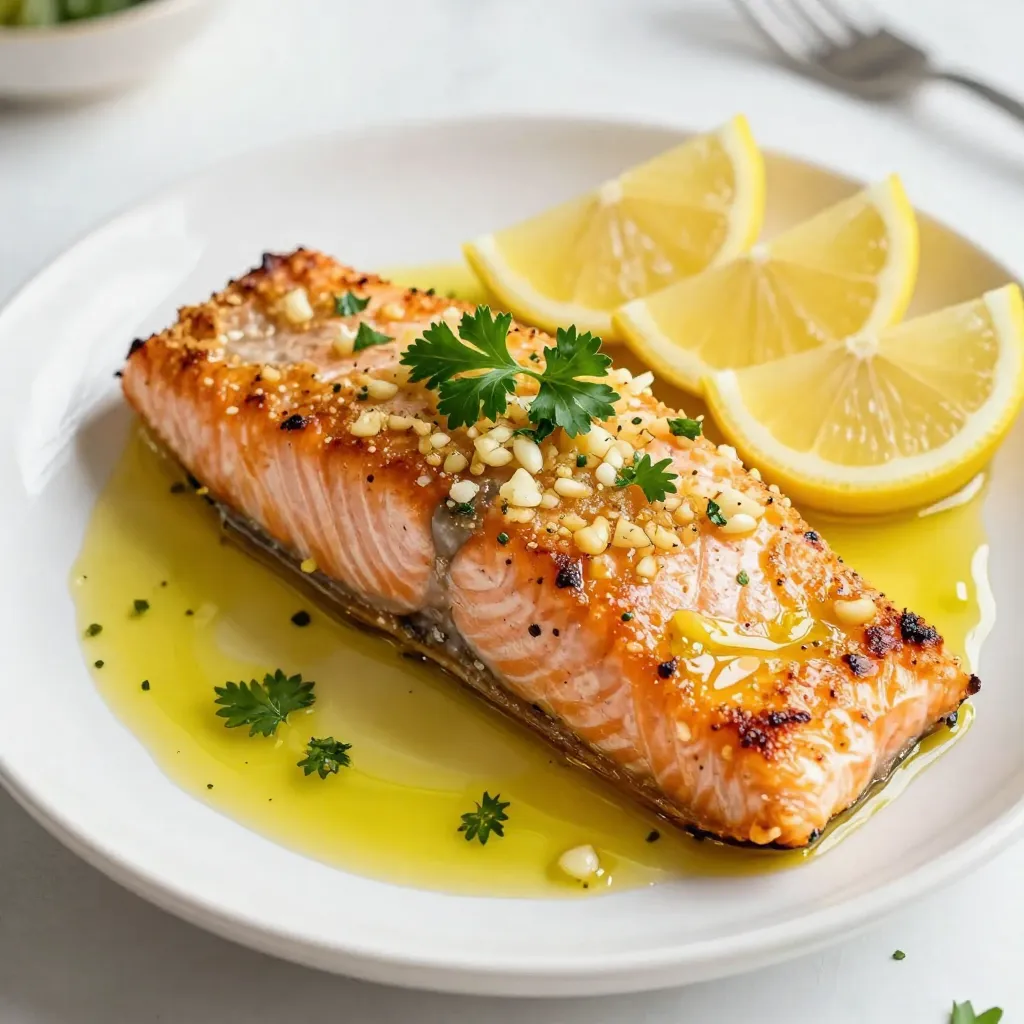
Welcome to a tasty experience with my Lemon Garlic Roasted Salmon! This dish is both simple and packed with flavor, perfect for busy weeknights or special dinners. You’ll only need a few key ingredients, like fresh salmon, fragrant garlic, and zesty lemon juice. I’ll guide you step by step, ensuring your salmon turns out perfectly every time. Let’s dive into this delightful recipe that will impress your family and friends!
Why I Love This Recipe
- Quick and Easy: This recipe comes together in under 30 minutes, making it perfect for a weeknight dinner.
- Zesty Flavor: The combination of lemon and garlic adds a refreshing brightness to the salmon that is simply irresistible.
- Healthy and Nutritious: Salmon is rich in omega-3 fatty acids, making this dish both delicious and good for your heart.
- Versatile Serving Options: This salmon pairs wonderfully with a variety of sides like roasted vegetables, rice, or a fresh salad.
Ingredients
Main Ingredients
– 4 salmon fillets (about 6 ounces each)
– 3 tablespoons olive oil
– 2 tablespoons fresh lemon juice
– Zest of 1 lemon
– 4 cloves garlic, minced
– 1 teaspoon dried oregano
– 1 teaspoon dried thyme
– Salt and pepper to taste
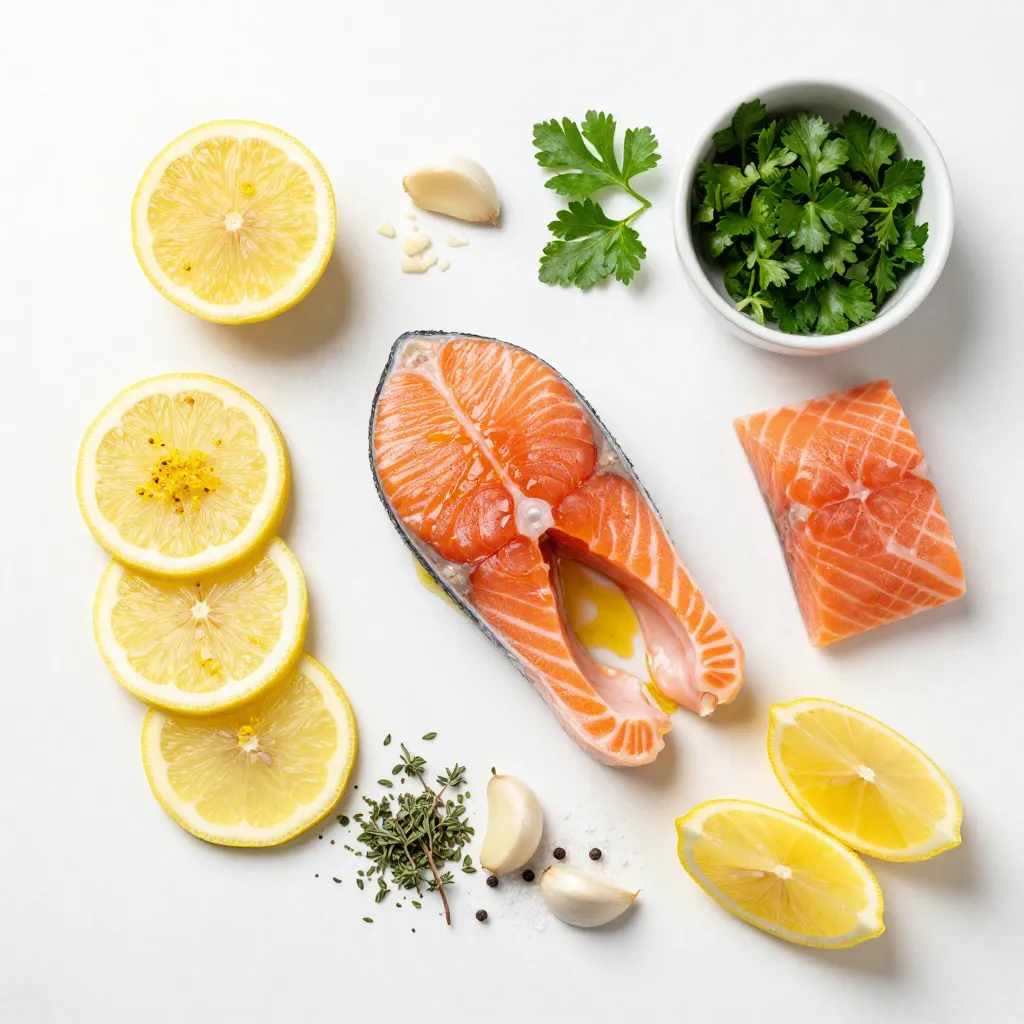
For this dish, salmon fillets shine as the main star. Choose fresh, high-quality salmon for the best flavor. Olive oil adds richness and helps the garlic and herbs stick to the fish. Fresh lemon juice and zest bring a bright zing that cuts through the richness. Minced garlic adds depth, while oregano and thyme give it an herby note. Finish with salt and pepper to enhance all these flavors.
Optional Garnishes
– Fresh parsley, chopped (for garnish)
– Lemon wedges (for serving)
Garnishing your salmon makes it look nice and adds flavor. Fresh parsley adds a pop of color and freshness. Lemon wedges on the side let you add more zest when you serve. They also make the dish look appealing.
Kitchen Tools Needed
– Baking sheet
– Parchment paper or cooking spray
– Mixing bowl and whisk
You need a few basic tools to make this dish. A baking sheet is essential for roasting the salmon. Using parchment paper helps with easy clean-up. If you don’t have parchment, cooking spray will work too. A mixing bowl and whisk are needed to combine the ingredients for the marinade. These tools make cooking simple and fun.
Step-by-Step Instructions
Preparing the Oven and Baking Sheet
– Preheat your oven to 425°F (220°C).
– Line a baking sheet with parchment paper or use cooking spray to grease it.
Making the Marinade
– In a small bowl, mix 3 tablespoons of olive oil with 2 tablespoons of fresh lemon juice.
– Add the zest of 1 lemon, 4 minced garlic cloves, 1 teaspoon of dried oregano, and 1 teaspoon of dried thyme.
– Season the mix with salt and pepper to taste. Whisk until well combined.
Marinating and Roasting the Salmon
– Place 4 salmon fillets skin side down on the prepared baking sheet.
– Brush the marinade generously over the salmon fillets.
– Let the salmon sit for 10-15 minutes while the oven heats up.
– Roast the salmon in the oven for 12-15 minutes. It should be cooked through and flake easily with a fork.
– Remove it from the oven and let it rest for a few minutes before serving.
Tips & Tricks
Best Practices for Cooking Salmon
How do I check for doneness?
To check if your salmon is done, use a fork. Gently flake the salmon at the thickest part. If it flakes easily, it is ready. The salmon should be opaque and have a slightly moist look. This means you cooked it just right.
What is the optimal roasting time?
Roast your salmon for 12 to 15 minutes at 425°F (220°C). Each fillet needs time to cook evenly. Thicker pieces may need a bit more time. Always keep an eye on it to avoid overcooking.
Enhancing Flavor
What are some suggestions for additional herbs or spices?
You can add fresh dill or basil to your marinade for a new twist. Smoked paprika adds a nice smoky touch. Feel free to experiment with herbs you love. Each will bring its own unique flavor.
Should I use fresh or dried ingredients?
Fresh ingredients often give the best flavor. Fresh garlic and herbs provide a vibrant taste. Dried herbs work well if fresh is not available. Just remember, dried herbs are stronger, so use less.
Presentation Tips
How do I plate and serve for visual appeal?
For a lovely presentation, place the salmon on a white plate. Add some lemon wedges beside it. A sprinkle of chopped parsley adds color and freshness. Arrange your sides around the salmon for a complete look. Serve it hot for the best experience.
Pro Tips
- Fresh Ingredients: Always use fresh lemon juice and minced garlic for the best flavor.
- Marination Time: Allow the salmon to marinate for at least 15 minutes to enhance the flavors.
- Oven Temperature: Ensure your oven is fully preheated to 425°F (220°C) for even cooking.
- Check for Doneness: Salmon is perfectly cooked when it flakes easily with a fork and is opaque in the center.
Variations
Cooking Method Alternatives
You can cook salmon in different ways. Grilling and baking are the two most popular methods.
– Grilling: Grilling gives salmon a smoky flavor. Preheat your grill to medium-high. Brush the salmon with the lemon garlic mix. Grill for about 6-8 minutes per side. Check for doneness as it cooks.
– Baking: Baking is easy and lets the salmon stay moist. Just follow the recipe’s steps for the oven.
Another fun option is using foil packets. This keeps the salmon juicy and allows for easy cleanup. Place the salmon in a piece of foil. Add your marinade, seal it, and bake. This method traps steam, cooking the fish perfectly.
Flavor Variations
You can change the flavors to keep things interesting.
– Adding Citrus Fruits: Try mixing lemon with other citrus fruits. Orange or lime can add a sweet or tangy twist. Just substitute some of the lemon juice in the marinade.
– Spicy Variations: If you enjoy heat, add chili flakes. Just a pinch can make a big difference. Mix it into the marinade before brushing it on the salmon.
These flavor variations can create a new dish each time you cook!
Side Dish Pairings
Pair your lemon garlic roasted salmon with tasty sides.
– Roasted Vegetables: Carrots, asparagus, or broccoli work well. Roasting them brings out their natural sweetness.
– Quinoa or Rice: These grains soak up the flavors nicely. They also add a nice texture to your meal.
– Salads: A fresh green salad adds crunch and balance. Consider a mix of greens with a light vinaigrette.
These sides will elevate your meal and make it even more satisfying.
Storage Info
Refrigeration
Store your leftover salmon in an airtight container. Make sure it cools down first. Place it in the fridge within two hours of cooking. This will keep it fresh and safe to eat. When stored properly, it lasts about 3 days. Always check for any off smells before eating.
Freezing Guidelines
If you want to freeze your salmon, wrap each fillet tightly in plastic wrap. Then, place them in a freezer bag. Make sure to remove as much air as possible to prevent freezer burn. Frozen salmon is best used within three months for the best taste. To reheat, thaw it overnight in the fridge. You can then warm it gently in the oven or on the stove.
Shelf Life
Cooked salmon stays fresh for up to 3 days in the fridge. If frozen, it can last for about 3 months. Always make sure to check for any changes in smell or texture before cooking. Proper storage helps keep your salmon tasty and safe to enjoy later.
FAQs
What is the best way to know if salmon is done?
The best way to know if salmon is done is to check its color and texture. Perfectly cooked salmon should be opaque and flaky. It should feel firm but not dry. You can also use a fork to test it. If it flakes easily, it’s ready! Another great method is to use a meat thermometer. Aim for an internal temperature of 145°F (63°C).
Can I use frozen salmon for this recipe?
Yes, you can use frozen salmon for this recipe! Just remember to thaw it first. The best way to thaw salmon is in the fridge overnight. If you are in a hurry, you can also run it under cold water for about an hour. Fresh salmon has a better flavor, but frozen works fine too. Just make sure to drain extra water before cooking.
How can I reduce the garlic flavor?
If you want to tone down the garlic flavor, there are a few options. You can use less minced garlic. Try using just one or two cloves instead of four. Another option is to use garlic powder, which is milder. If you’re really sensitive to garlic, you can skip it altogether and add more herbs or lemon zest for flavor.
This blog post covered how to prepare delicious roasted salmon. We discussed key ingredients, including salmon and a simple marinade. You learned the best cooking methods and tips to enhance flavor. I shared ways to store and reheat leftovers, ensuring your meals stay fresh.
Using these tips, you can create a tasty salmon dish with ease. Enjoy experimenting with flavors and cooking styles to make it your own. Happy cookin