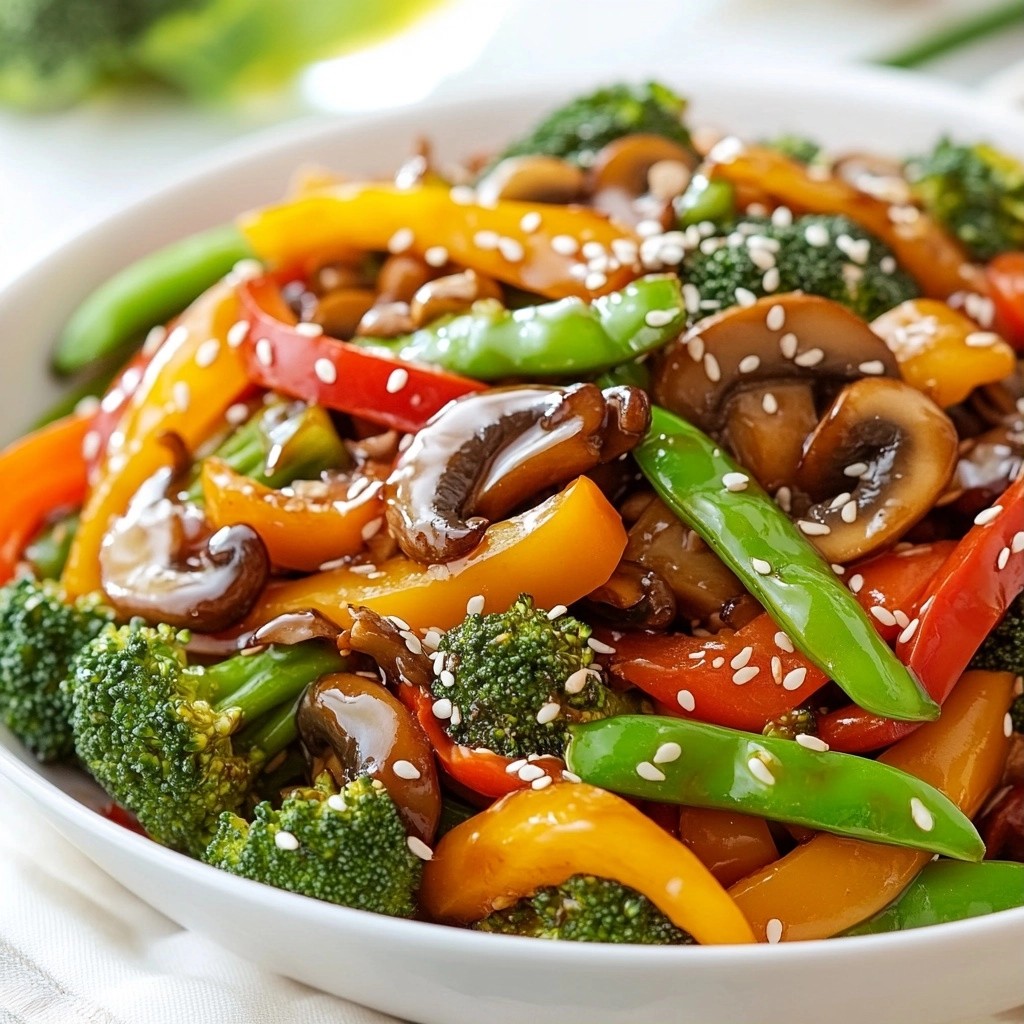
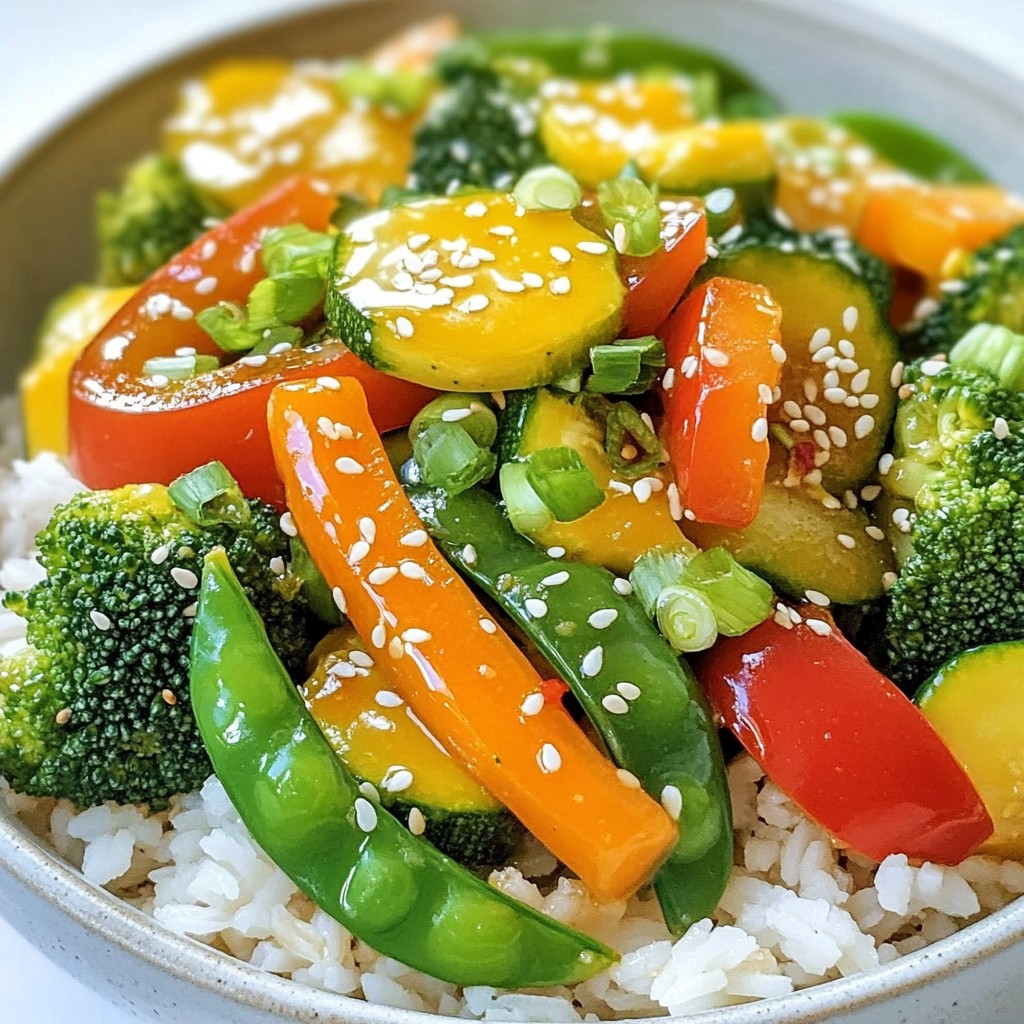
Looking for a budget-friendly meal that’s quick and tasty? My Frugal Vegetable Stir-Fry with Brown Rice recipe is here to save the day! Packed with colorful veggies, this dish is not just easy on your wallet but also loaded with flavor. Follow my simple steps to create a delicious stir-fry that satisfies any hunger. Let’s dive into this bright and affordable recipe—it’s time to eat well without breaking the bank!
Why I Love This Recipe
- Easy to Prepare: This stir-fry comes together in just about 55 minutes, making it a perfect weeknight dinner option.
- Healthy Ingredients: Packed with colorful vegetables and whole grains, this dish is nutritious and satisfying.
- Versatile Recipe: You can easily customize the vegetables based on what you have on hand or your personal preferences.
- Budget-Friendly: This recipe uses simple, inexpensive ingredients, making it perfect for those watching their budget.
Ingredients
Main Ingredients
- 1 cup brown rice
- 2 cups vegetable broth or water
- 1 tablespoon olive oil
Vegetables
- 1 cup broccoli florets
- 1 bell pepper (any color)
- 1 carrot
- 1 zucchini
- 1 cup snap peas
Seasonings and Garnishes
- 2 cloves garlic
- 1 tablespoon soy sauce
- 1 tablespoon sesame oil
- 1/2 teaspoon ground ginger
- Salt and pepper
- Optional: Sesame seeds, chopped green onions
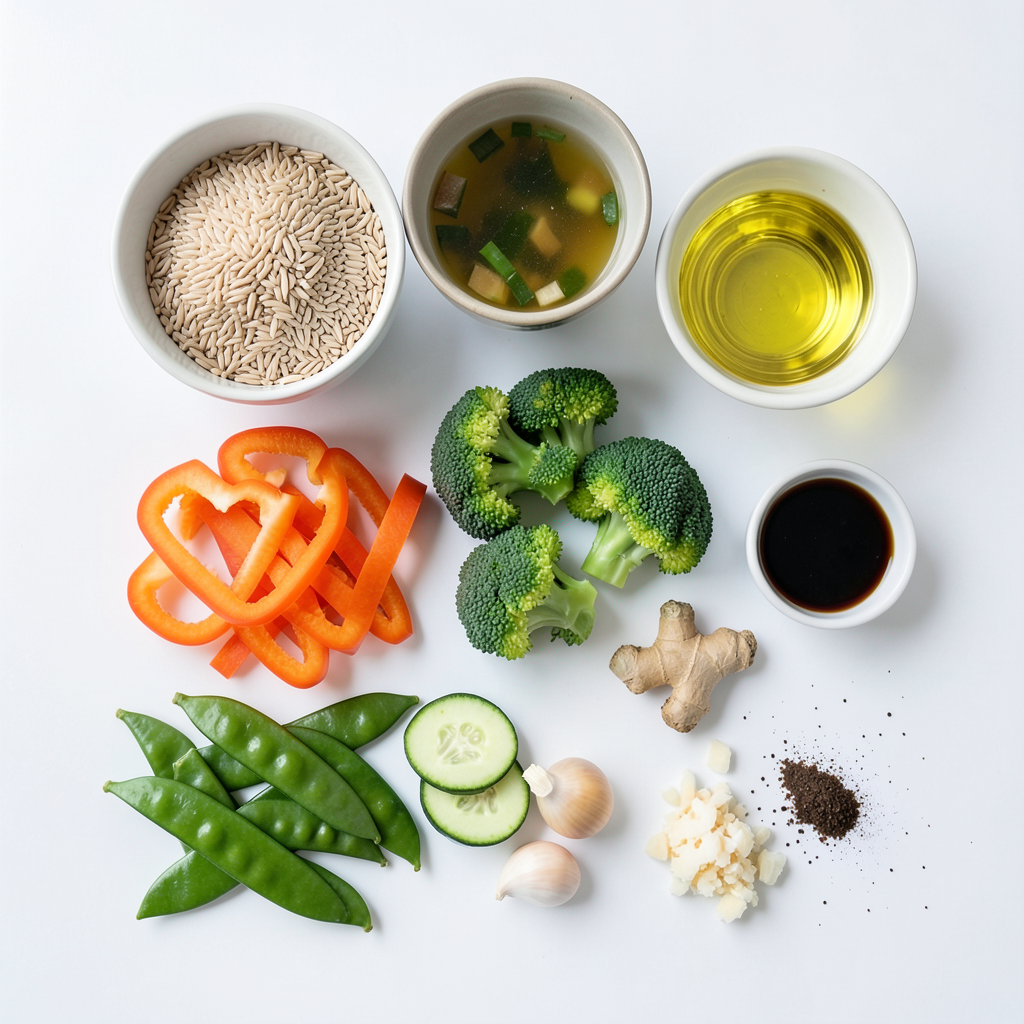
This recipe is simple and fun. You can mix and match the vegetables based on what you have. Let's talk about each part of the ingredients.
First, we need the main items: brown rice, vegetable broth, and olive oil. Brown rice is healthy and fills you up. You can use water if you want. The vegetable broth adds more taste. Olive oil helps cook the veggies and keeps them from sticking.
Next, we have our vegetables. Broccoli gives crunch and color. Bell peppers add sweetness and brightness. Carrots bring a nice texture and a bit of sweetness too. Zucchini is soft and blends well with other flavors. Snap peas add a fresh, crisp bite.
For flavor, we use garlic, soy sauce, sesame oil, and ground ginger. Garlic adds a strong taste. Soy sauce gives saltiness. Sesame oil has a nutty flavor. Ground ginger adds warmth. Salt and pepper help round it all out.
Finally, if you want to make it pretty, you can sprinkle sesame seeds and green onions on top. This dish is healthy, colorful, and easy to make!
Step-by-Step Instructions
Cooking the Brown Rice
- First, combine 1 cup of brown rice and 2 cups of vegetable broth in a medium saucepan.
- Next, bring the mixture to a boil over high heat.
- Once boiling, reduce the heat to low. Cover the pot and let it simmer for 40 to 45 minutes.
- After the rice is tender and the liquid is absorbed, remove it from heat. Let it sit covered for an extra 10 minutes.
Sautéing the Vegetables
- While the rice cooks, heat 1 tablespoon of olive oil in a large skillet or wok over medium-high heat.
- Add 2 cloves of minced garlic to the hot oil. Sauté for about 30 seconds until it smells great.
- Toss in your veggies: 1 cup of broccoli florets, 1 sliced bell pepper, 1 julienned carrot, 1 sliced zucchini, and 1 cup of snap peas. Stir-fry these for 5 to 7 minutes. Cook until they are tender but still crisp.
Adding Seasonings and Serving
- Now, sprinkle in 1/2 teaspoon of ground ginger, 1 tablespoon of soy sauce, and 1 tablespoon of sesame oil.
- Stir well to coat all the vegetables. Cook for another 1 to 2 minutes.
- Season the stir-fry with salt and pepper to taste.
- Fluff the cooked brown rice with a fork. Serve it in bowls topped with the colorful vegetable mix.
- For a nice touch, garnish with sesame seeds and chopped green onions if you like.
Tips & Tricks
Budget-Savvy Tips
- Use seasonal vegetables: Seasonal veggies taste better and cost less. Check local markets for great deals. Try bell peppers, carrots, and zucchini when they are in season. You can save money and enjoy fresh flavors.
- Buy bulk brown rice: Buying brown rice in bulk cuts costs. You can store extra rice for later. It lasts long and adds healthy grains to your meals.
Cooking Tips
- Avoid overcooking vegetables: Keep your veggies crisp and bright. Stir-fry them for about 5-7 minutes. This way, they stay full of nutrients and flavor. You want them tender but not mushy.
- Adjust seasoning to taste: Taste as you cook. You may want more soy sauce or a dash of salt. Every palate is different, so make it yours!
Serving Suggestions
- Pair with protein: Add protein to your stir-fry for a complete meal. Tofu is a great plant-based choice. Chicken or shrimp also work well. It makes the dish hearty and filling.
- Use as a meal prep option: This stir-fry works great for meal prep. Make a big batch and store it in the fridge. You can grab it for lunch or dinner all week. Just reheat and enjoy!
Pro Tips
- Prep Your Vegetables Ahead: Chop and prepare your vegetables in advance to save time during cooking. This allows you to focus on stir-frying without delays.
- Use Fresh Ingredients: Fresh vegetables enhance the flavor and nutritional value of your stir-fry. Whenever possible, opt for seasonal produce for the best results.
- High Heat for Better Texture: Cooking on high heat helps to achieve that perfect tender-crisp texture for your vegetables. Keep them moving in the pan to prevent burning.
- Customize Your Sauce: Feel free to experiment with different sauces or spices to suit your taste preferences. Adding chili flakes or a splash of lime can elevate the dish!
Variations
Add Proteins
You can make this dish heartier by adding proteins. Tofu is a great option for a vegetarian meal. Just cube it and sauté it with your vegetables. If you prefer meat, try chicken or shrimp. Cook them first until they are golden, then add your veggies. This way, you get a nice balance of flavors and textures.
Different Vegetable Combinations
Don't be afraid to switch up your veggies! You can use seasonal produce or frozen options. Carrots and bell peppers are great, but think about adding spinach or bok choy. If you have leftover vegetables in your fridge, toss them in. This dish is flexible and welcomes all kinds of veggies.
Alternative Grains
Brown rice is a healthy choice, but you can explore other grains too. Quinoa is high in protein and cooks fast. White rice is softer but also works well. If you're looking for a low-carb option, try cauliflower rice. Just sauté it briefly to keep that fresh taste. Each grain brings its own flavor and texture, so choose what you love!
Storage Info
Refrigeration
To store leftovers in the fridge, place the stir-fry in an airtight container. Make sure it cools down first. Seal the container tightly to keep the flavors fresh. You can store it for up to three days. When you want to eat it, just reheat in the microwave or on the stove until hot.
Freezing
Best practices for freezing stir-fry start with letting it cool completely. Then, divide it into portions. Use freezer-safe bags or containers to store it. Try to remove as much air as possible to prevent freezer burn. You can freeze the stir-fry for up to three months. When you’re ready to eat, thaw it in the fridge overnight. Heat it up in a pan for the best texture.
Shelf Life
For keeping stir-fry and rice, the cooked rice lasts about four to six days in the fridge. The stir-fry stays good for about three days. If you keep both together, eat it within the three-day mark for safety. Always check for bad smells or signs of spoilage before eating leftovers.
FAQs
Can I use a different type of rice?
Yes, you can use other types of rice. Here are some good options:
- White rice cooks faster.
- Jasmine rice adds a nice aroma.
- Basmati rice offers a unique flavor.
- Quinoa is a great gluten-free choice.
Each rice type will change cooking time. Adjust as needed to keep it tender.
How can I make this recipe spicier?
To add heat, try these tips:
- Add red pepper flakes while cooking.
- Stir in sriracha or chili paste.
- Use spicy soy sauce instead of regular.
- Toss in sliced jalapeños for fresh heat.
Start with a little and taste as you go!
What if I don’t have sesame oil?
If you lack sesame oil, consider these substitutes:
- Use olive oil for a light flavor.
- Try peanut oil for a nutty taste.
- Canola oil works too, but it's milder.
- Add toasted sesame seeds for a hint of flavor.
Each option will give a slightly different taste but should work well.
This recipe combines simple ingredients for a healthy and tasty dish. You learned to cook brown rice, sauté fresh veggies, and add bold flavors. Remember to adjust seasonings to fit your taste. You can also switch up proteins and grains for variety. Enjoy meal prepping or serving this dish any time! It’s quick, easy, and satisfying. Get creative with your own favorites, and have fun in the kitchen!